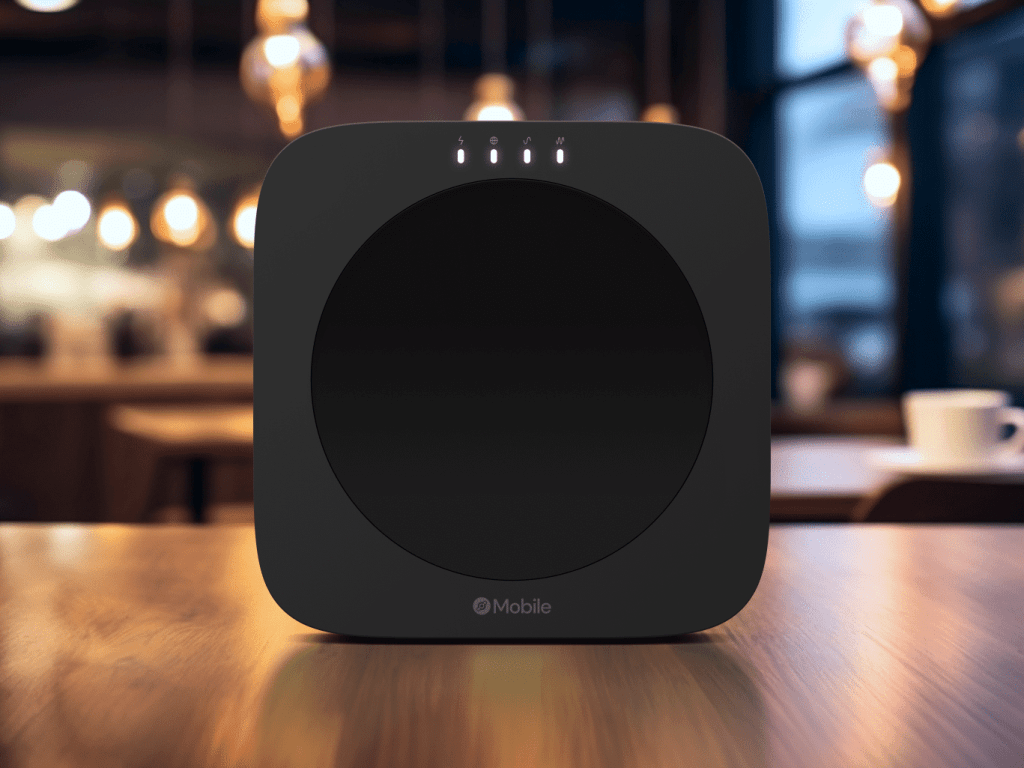
Indoor Hotspot

Range: Up to 150 ft indoors, and approx. 3,305 sq ft
Best Placed: Cafes, shops, restaurants
Mounting: Mount on a ceiling or wall
Power: Power over Ethernet at 12w max, 5w Avg


Outdoor Hotspot

Range: Up to 800 ft with line of sight
Best Placed: Parks, beaches, streets, rooftops
Mounting: Mount externally on pole or against surface
Power: Power over Ethernet required at 20w max, 6w Avg

Hotspots can earn rewards for both Proof of Coverage and Data Transfer. PoC rewards are dependent on the readiness and quality of service provided by a radio. Data transfer rewards are awarded based on the amount of eligible data passed through a Hotspot.

The network uses a unique consensus algorithm called “Proof-of-Coverage” (PoC) to verify that hotspots accurately represent their location, configuration, and the wireless coverage they create.
PoC incentivizes hotspot Operators to deploy hotspots in under-served areas and report their deployments accurately so that users can see where coverage is likely to be available.

The Mobile Carrier Offload Program enables mobile carriers, like Mobile Network Operators (MNOs) and Mobile Virtual Network Operators (MVNOs), to use the network’s coverage to offload mobile data traffic generated by their own subscribers’ devices. Offloading data allows MNOs and MVNOs to enhance service quality and improve their users’ overall experience while optimizing costs.

Businesses that host access points receive compensation based on the performance and utility of their deployed devices. Revenue is earned through participation in network activities like Proof of Coverage and Data Offloading. This model offers a passive income opportunity for hosts while helping expand the reach and reliability of the wireless network.

Our Team

Adam Bush
COO / Co-Founder

John Gibbs
CTO / Co-Founder

FAQ

A breakdown of the most common questions we encounter